
Welcome to the new issue of Grow Your Knowledge Newsletter where you get free, ready to use, actionable, clear information regarding FIDIC Contracts and Construction Claims.
Today at a Glance;
➤ Term of the Week
➤ One Tweet
➤ Preparing Effective Disruption Claims
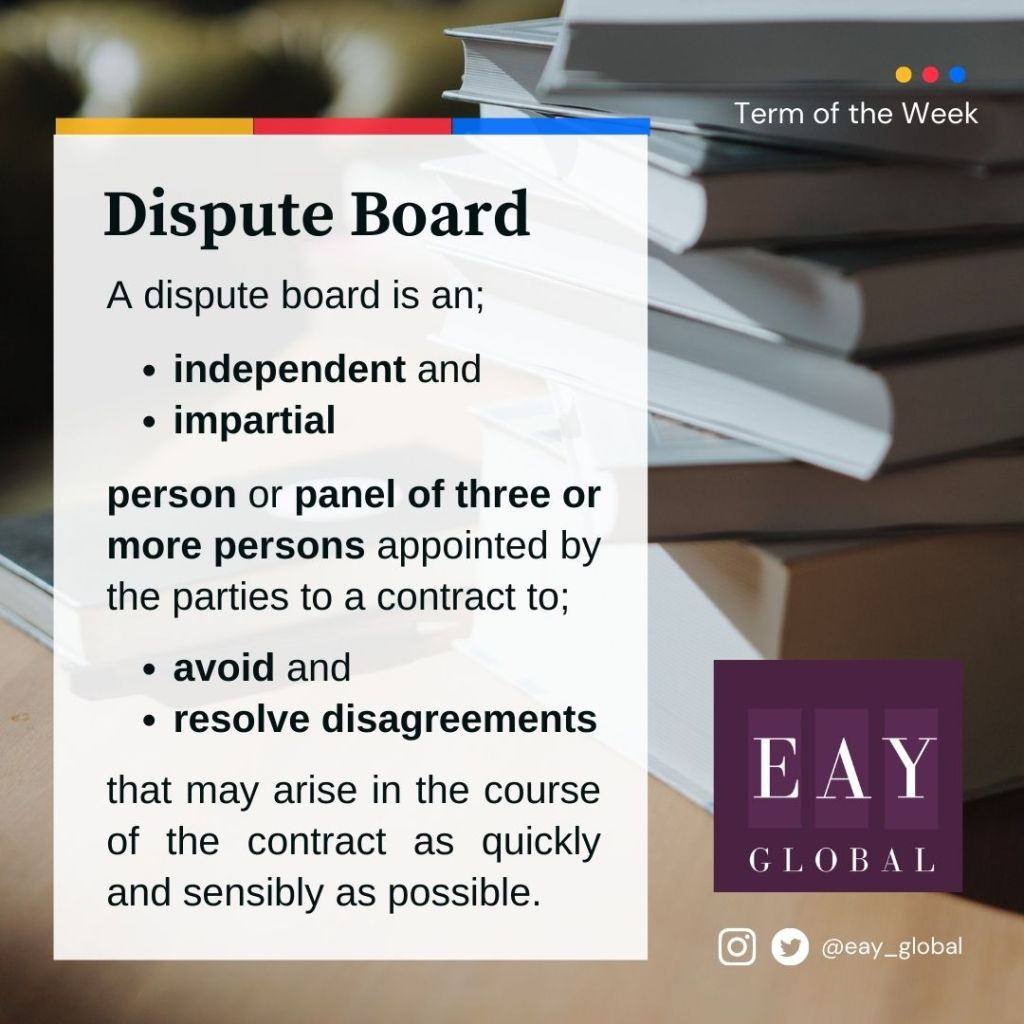
TERM of the WEEK
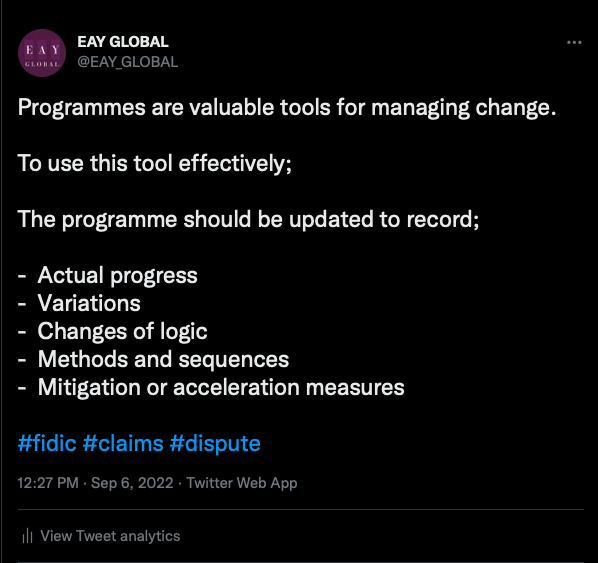
ONE TWEET
PREPARING EFFECTIVE DISRUPTION CLAIM
Disruptions are mostly inevitable in Construction Projects.
And, they have considerable effects on the Contractor, such as;
➤ increase in costs
➤ reduction in profit
Submitting the effective claim is a valuable way for recovering these costs and the losses suffered.
But first of all, you should clearly understand the facts about disruption.
That is a critical point.
You should always keep in mind that the root cause of disruption is “loss of productivity”.
Let’s explain the claim preparation process step by step;
Step #1: You should identify the “Disruption Event”
You should answer these questions;
➤ Was the disruption event foreseeable?
➤ Could the disruption event be anticipated?
If the answers of these questions are “yes”.
This is a non-compensable disruption.
Probably the causes of the disruption are;
➤ Improper scheduling
➤ Inefficient material provision
➤ The failure of a Subcontractor or Supplier to perform
Another critical point is,
➤ disruption may not be compensable monetarily, but it may entitle you to a time extension.
It is important to be aware of that fact.
If the disruption event is compensable; you have a great chance to recover by the help of the perfect claim.
Step #2: Establishing the Contractual / Legal Entitlement
You should determine whether there is any contractual/legal basis for a disruption claim to be made.
To link the disruption claim to an entitlement under the contract, you should;
➤ Review the contract
➤ Identify your rights
➤ Find out the loss and expense clauses
➤ Keep in mind that more than one clause may be at the root of the entitlement
Step #3: Complying with the Notice Requirements
You should understand the “Notice Requirements” by;
➤ Reviewing the Contract
➤ Determining the related Clause(s)
➤ Learning the prerequisites
And, you should understand and comply with the Notice Requirements, such as;
➤ Timing of the Notice
➤ The information it should contain
➤ To whom it should be sent
➤ The proper way of providing Notice
Step #4: Factual Evidence
You should demonstrate;
➤ the evidence and
➤ the analysis
to prove the link between the disruptive event and the disruption suffered.
The evidence should be;
➤ Relevant
➤ Valid
➤ Credible
to support your position.
The recording of contemporaneous evidence regarding the disruptive events and its effects on productivity is critical.
Step #5: Quantification of the Disruption Claim
Quantifying claims can be incredibly challenging and complex. You should;
➤ Know what happened.
➤ Value the additional scope or tasks required by the disrupted activities
➤ Value the costs related with the Loss of Efficiency
➤ Clearly explain all the evaluations, methods and assumptions
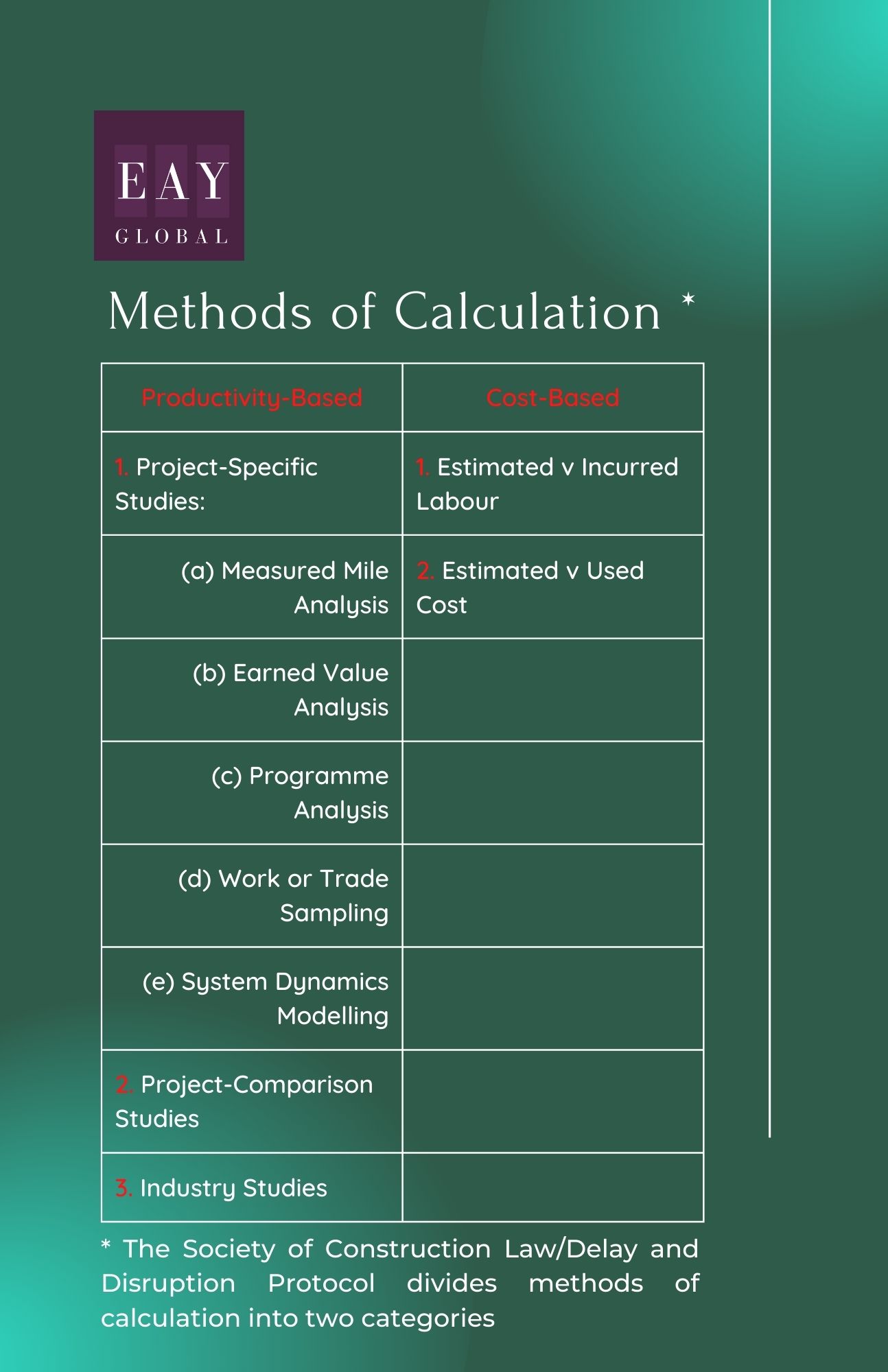
Let’s review how you can quantify the Disruption Claims.
See you next week.
P.S. As always, we hope you find this issue useful and we welcome any comments or feedback you may have.

![Delay Claims Preparation [Checkpoints]](https://eayglobal.com/wp-content/uploads/2024/05/1-150x150.jpg?crop=1)