



Welcome to the new issue of Grow Your Knowledge Newsletter where you get free, ready to use, actionable, clear information regarding FIDIC Contracts and Construction Claims.
Today at a Glance;
➤ Term of the Week
➤ One Tweet
➤ Present Your Claim without Getting Confused
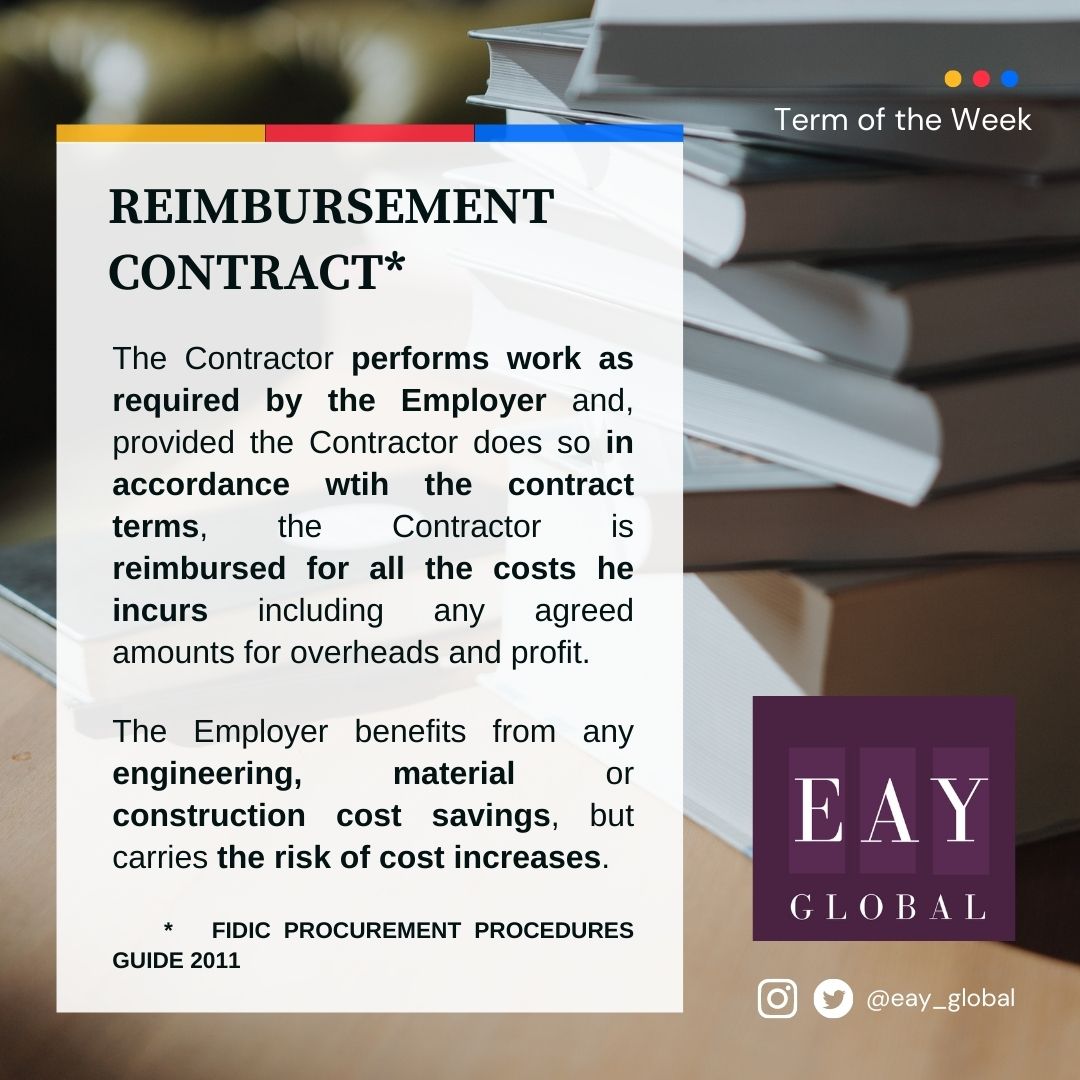
TERM of the WEEK

ONE TWEET


PRESENT YOUR CLAIM without GETTING CONFUSED
There are various ways of presenting a claim.
What determines the structure of the presentation will be;
➤ The type
➤ The size / volume / value
of the claim.
And, a good presentation will maximise the chances of;
➤ Better explanation of your claim and its details
➤ Reaching an early agreement
➤ Solving the problem
Here are the steps that you should follow to access a good presentation.
Step 1: Write the Executive Summary
In the Executive Summary section, you have to summarise the critical parts of the claim, such as;
➤ What took place
➤ What is claimed and why
➤ The amount claimed
➤ The extension of time claimed
Step 2: Provide the Table of Contents
“Table of Contents” will serve two purposes;
➤ It will give the reviewer an overview of the document’s contents and organization
➤ It will allow the reviewer to go directly to a specific section
Step 3: Write the Introduction Section
In this section, you should provide general information regarding the;
➤ Description of the project
➤ Parties of the contract
➤ Advisers of the parties
➤ Need for preparing a claim
Step 4: Define the Cause of the Claim Event
You should properly define the event that has given rise to the claim, such as;
➤ Delays
➤ Suspension
➤ Acceleration
➤ Change in Law
➤ Termination
Step 5: Explain the Actual Conditions and Effect
You should clearly demonstrate that;
➤ The actual conditions in the project changed significantly from the original plan
➤ These changes have serious impacts on the project
Additionally, you should;
➤ Establish the link between the cause and the effect
➤ Verify the facts to demonstrate the effect
Step 6: Establish the Contractual / Legal Entitlement
You should effectively identify the basis of the claim, such as;
➤ Contractual
➤ Legal, or,
➤ Both Contractual and Legal
In this section, you should determine your right for;
➤ Receiving a time extension
➤ Recovering additional compensation
Step 7: Quantify the Claim
Quantifying the claims can be incredibly challenging and complex.
➤ Know what happened.
➤ Show what it cost
And, keep in mind that all the;
➤ Statements
➤ Calculations
➤ Demonstrations
➤ Evaluations
➤ Analysis
➤ Methods
➤ Assumptions
should be explained in a;
➤ Valid
➤ Clear
➤ Credible
➤ Relevant
➤ Transparent
way with reasonable certainty.
Step 8: Formal Statement
You should prepare the formal statement of the claim.
Step 9: Appendices
You should submit your completed claims with all the supporting documentation.
That’s crucial for the effective presentation.
Establishing the grounds of any claim is not possible, without;
➤ Complete
➤ Well organized
➤ Accurate
➤ Available
➤ Accessible
records.
Proper documentation will form;
➤ Well substantiated
➤ Robust
➤ Effective
claims.
Here are the mostly used Appendices;
➤ Evaluation Reports and Schedules with Supporting Figures
➤ Contract Programmes
● Original Programme
● Updated Programme
➤ Cost Information
● Calculations, Quantities
● Schedules
➤ Monthly Progress Reports, Meeting Minutes
➤ Legal Briefs
➤ Photographs
● Progress Photos
● Event Specific Photos
➤ Relevant Drawings
➤ Technical Assessments
➤ Engineering Calculations
➤ Lists of the Relevant Notices Given
➤ Geotechnical Report
➤ Requests for Information (RFIs)/ Technical Queries
➤ Detailed Estimates
➤ Delay Analysis and the Methods Used
Formulate the effective claim and present it in a professional way.
See you next week.
P.S. As always, we hope you find this issue useful and we welcome any comments or feedback you may have.