
Welcome to the new issue of Grow Your Knowledge Newsletter where you get free, ready to use, actionable, clear information regarding FIDIC Contracts and Construction Claims.
Today at a Glance;
➤ Term of the Week
➤ One Tweet
➤ Questions you should Answer before Negotiating your Claim
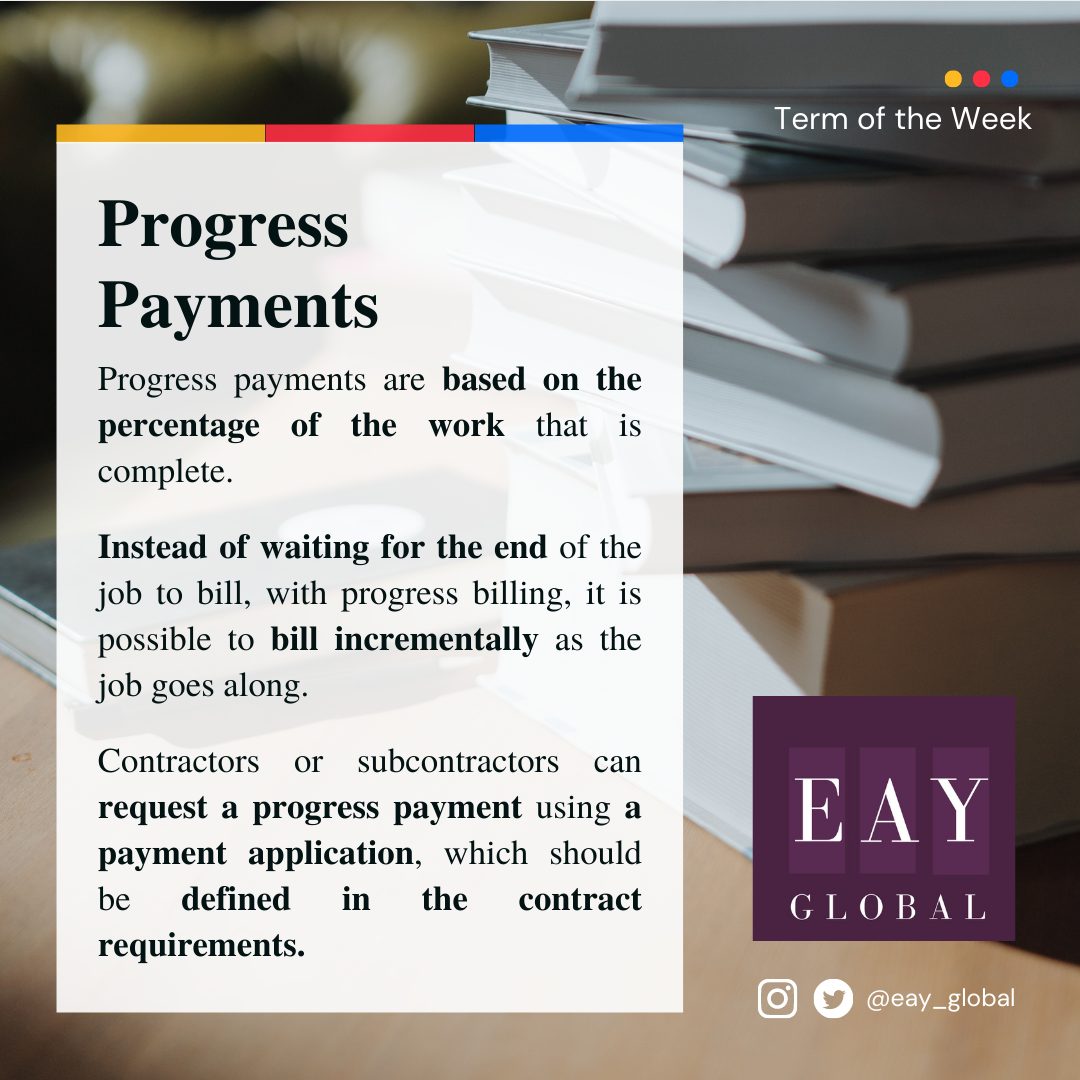
TERM of the WEEK
ONE TWEET

Happy Thursday.
If you do not negotiate well, It does not matter whether your claim is right or wrong.
A well-known cliche says;
“You do not get what you deserve.
You get what you negotiate.”
It’s definitely true.
*
The key to successful negotiation is effective PREPARATION.
But, it’s not always easy.
*
During the preparation you should have answered these 6 questions;
1. Is my claim strong enough?
2. Is my presentation convincing enough?
3. What is my opponent’s position?
4. Will the claim damage my relationship with my opponent?
5. What is the recovery chance?
6. In terms of financial outputs: Negotiation or Litigation/Arbitration?
*
Answer #1: The STRENGTH of your CLAIM
If you have;
➤ Accurately defined the “Cause” of the claim event
➤ Perfectly explained the “Effect” of the claim event
➤ Correctly established the “Contractual/Legal Entitlement”
➤ Sufficiently “Substantiated” the claim
It is assumed that your claim is strong.
Answer #2: The QUALITY of your PRESENTATION
A high-quality presentation will assist greatly in the negotiation of the claim.
Your presentation should be;
➤ Organized
➤ Persuasive
➤ Understandable
as possible.
*
Your presentation should comprise components, such as;
➤ Executive Summary
➤ Table of Contents
➤ Introduction
➤ Contractual Framework
➤ Actual Conditions and Impact
➤ Contractual/Legal Entitlement
➤ Quantification of Claim
➤ Formal Statement of Claim
➤ Appendix
Answer #3: The POSITION of your OPPONENT
You should consider the arguments that you are likely to hear from your opponent.
You should understand the;
➤ Motivation
➤ Goals
➤ Hidden agendas
➤ Preconceptions
➤ Fears
of your opponent.
Answer #4: The STATE of your RELATIONSHIP with your OPPONENT
You should determine whether it may be more beneficial to;
➤ Settle for a lower amount in order to maintain a positive relationship with the opponent, or,
➤ Hold out for a larger settlement if you do not plan to work with them in the future
Answer #5: Your CHANCE of RECOVERY
If your case is a simple claim with detailed supporting records;
➤ Your claim can usually be evaluated as having a very high potential for recovery
If your claim is a complicated claim with insufficient records;
➤ Your claim can usually be evaluated as having a low potential for recovery
Answer #6: In terms of financial outputs: Negotiation or Litigation/Arbitration?
You should compare the amount that may be recovered by;
➤ Negotiation with
➤ Litigation and arbitration
If the;
(+) Settlement proceeds
(+) Amount of money that could be earned on them (opportunity cost)
(+) Expenses saved by avoiding litigation
come close to the amount that could be recovered in litigation or arbitration,
the reasonable conclusion is to settle.
*
Let’s elaborate more.
*
Answer #1: The STRENGTH of your CLAIM
The “Cause” of the claim event should be accurately defined
You should properly define the event that has given rise to the claim, such as;
➤ Delays
➤ Suspension
➤ Acceleration
➤ Change in Law
➤ Termination
*
The “Effect” of the claim event should be perfectly explained
You should suitably;
➤ Establish the link between the cause and the effect
➤ Verify the facts to demonstrate the effect
*
The “Contractual/Legal Entitlement” should be correctly established
Most likely, you could not effectively identify the basis of the claim, such as;
➤ Contractual
➤ Legal, or,
➤ Both Contractual and Legal
And, as a result of this, you could not well demonstrate your entitlement to;
➤ Extension of Time
➤ Additional Payment, or,
➤ Both
*
The claim should be sufficiently “Substantiated”
As the case may be, you could not adequately prove;
➤ All the statements
➤ Calculations
➤ Demonstrations
by reference to the;
➤ Project records
➤ Contract
➤ Other supporting evidence
Answer #2: The QUALITY of your PRESENTATION
You should clearly;
➤ Understand, and,
➤ Implement
the steps of presenting a claim.
*
While presenting a claim, you should not forget that each claim is dependent upon;
➤ The individual facts of its own case
➤ The purpose for which it is produced
➤ Separation of what is important and what is not
*
For an effective presentation, you should design the;
➤ Summary
➤ Body of the claim
➤ Supporting technical arguments and data (Appendix)
in accordance with the circumstances of the claim.
Answer #3: The POSITION of your OPPONENT
While it is important to know your own position well, it is equally important to anticipate what arguments your opponent is likely to make.
Your negotiations also will have a better chance of success if you understand what motivates, goals and preconceptions your opponent has.
Identifying what really matters to the other party is key to developing creative solutions to resolving the dispute.
Answer #4: The STATE of your RELATIONSHIP with your OPPONENT
If the client is a loyal and reliable customer of the claimant, the claimant may choose to settle for a much lower amount than what it could obtain through litigation in order to maintain a good relationship.
If the client has provided years of steady work and reasonable profits, a contractor may conclude that it would be imprudent to endanger that relationship by insisting on a large claim settlement, regardless of their past or expected future dealings with the client.
A contractor could even wish to trade off parts of its claim for consideration on future claims or extra work from the client.
Conversely, if the claim is against a party with whom the contractor intends to maintain an ongoing business relationship, it may be in the contractor’s best interest to accept a lower settlement amount in order to preserve that relationship.
Answer #5: Your CHANCE of RECOVERY
If your case involves a straightforward claim supported by detailed evidence;
➤ Your claim can typically be assessed as having an extremely high likelihood of success in obtaining compensation
On the other hand, if your case involves a complex claim with insufficient evidence;
➤ Your claim can usually be evaluated as having a low potential for success
Answer #6: In terms of financial outputs: Negotiation or Litigation/Arbitration?
It is advisable to compare the total amount that could potentially be recovered through
➤ Negotiation versus
➤ Litigation and arbitration
*
Specifically, you should consider factors such as:
(+) The settlement amount that could be agreed upon through negotiation
(+) The opportunity cost of that settlement amount, or the money that could be earned by investing the settlement proceeds
(+) The litigation expenses that could be avoided by settling, such as legal fees and court costs
If the combined value comes close to or exceeds the amount that might be recovered through litigation or arbitration, then settling is likely the most reasonable course of action.
See you next week.
This information is provided for your convenience and does not constitute any “Legal Advice”. This document is prepared for the general information of the interested persons. This should not be acted upon in any specific situation without appropriate legal advice.
This information may not be reproduced or translated without the prior written permission of eayglobal.com
For further information please contact eay@eayglobal.com

![Delay Claims Preparation [Checkpoints]](https://eayglobal.com/wp-content/uploads/2024/05/1-150x150.jpg?crop=1)