


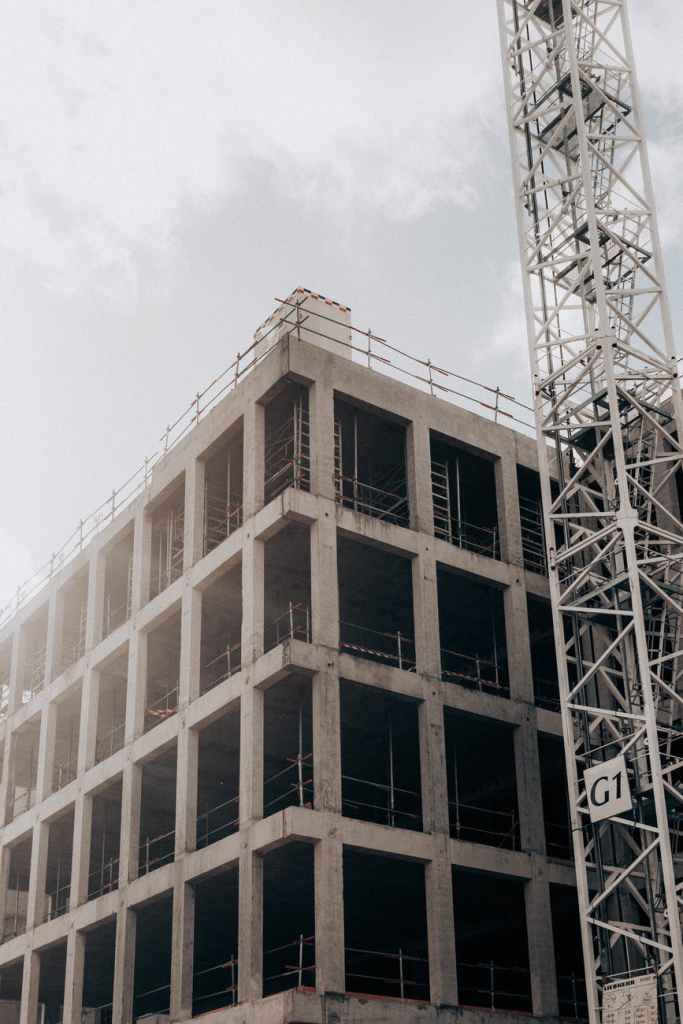
“Defects are one of the major causes of disputes. It is common to see disagreement between parties while managing a defect-related process.”
It is obvious that Works should be in the specification or standard required by the Contract.
But, due to various factors, construction defects arise and the project fails to comply with the Contract.
Although the Contractor is required to remedy these defects, sometimes the Contractor does not and the Employer has to remedy these defects.
After remedying these defects, the Employer will be entitled subject to Sub-Clause 2.5 [Employer’s Claims] to payment by the Contractor for the costs incurred for remedying the defects.
In this document, you will find the key issues and the process for preparing defects-related claims.
Steps of
Defect-Related
Claim Process
01
The Existence of Defects
02
Notifying the Contractor
03
The Contractor Fails to Remedy Defects
04
The Employer Remedies the Defect
05
Notice of Claim
06
Agreement or Determination of the Claim
1 The Existence of Defects
There should be defects related to the Contractor, such as [1]
Any design which the Contractor is responsible. |
Plant, Materials or Workmanship not being in accordance with the Contract. |
Failure by the Contractor to comply with any other obligation. |
2 Notifying the Contractor
The Employer is to notify (whether himself or by the Engineer) the Contractor;
to remedy the defects and damage for the Works. |
on or before the expiry date of “Defects Notification Period”. |
3 The Contractor Fails to Remedy Defects
A Notice of a fixed date that allows the Contractor reasonable time to remedy the defects may be given by the Employer. |
The Contractor fails to remedy the defects by the date stated in this Notice. |
4 The Employer Remedies the Defect
After the Contractor’s failing to remedy the defect within a notified that, the Employer may [2];
Carry out the Work himself or by others, in a reasonable manner and at the Contractor’s Cost, but the Contractor shall have no responsibility for this work: and the Contractor shall subject to Sub-Clause 2.5 [Employer’s Claims] pay to the Employer the costs reasonably incurred by the Employer in remedying the defect or damage. |
5 Notice of Claim
The Employer or the Engineer is to give notice and particulars to the Contractor. |
The Notice is to be given after the Employer became aware of the event or circumstances giving rise to the claim. |
The particulars is to; * State the Clause or other basis of the Claim * Include proof of the amount of the costs incurred for remedying the defects. |
6 Agreement or Determination of the Claim
The Engineer is to proceed under Sub-Clause 3.5 [Determinations] to agree or determine;
The amount which the Employer is entitled to be paid by the Contractor. |
The Engineer is to give notice to both Parties of each agreement or determination with supporting particulars.
Until the agreement or determination is revised under Clause 20 [Claims, Disputes and Arbitration], each party is to give effect.
FOOTNOTES
1. The same Sub-Paragraph letters are used as in Sub-Clause 11.2 [Cost of Remedying Defects] of the 1999 FIDIC Red Book.
2. The same Sub-Paragraph letters are used as in Sub-Clause 11.4 [Failure to Remedy Defects] of the 1999 FIDIC Red Book.
This information is provided for your convenience and does not constitute any “Legal Advice”. This document is prepared for the general information of the interested persons. This should not be acted upon in any specific situation without appropriate legal advice.
This information may not be reproduced or translated without the prior written permission of eayglobal.com
For further information please contact eay@eayglobal.com